

Commonwealth Day 2026
A royal comeback, a fashion moment and a question worth asking: Where does the Commonwealth stand today?

Hello Dear Readers,
Welcome to our free post of the month! Thank you for joining us and if you haven’t subscribed, please do so with the prompt below!
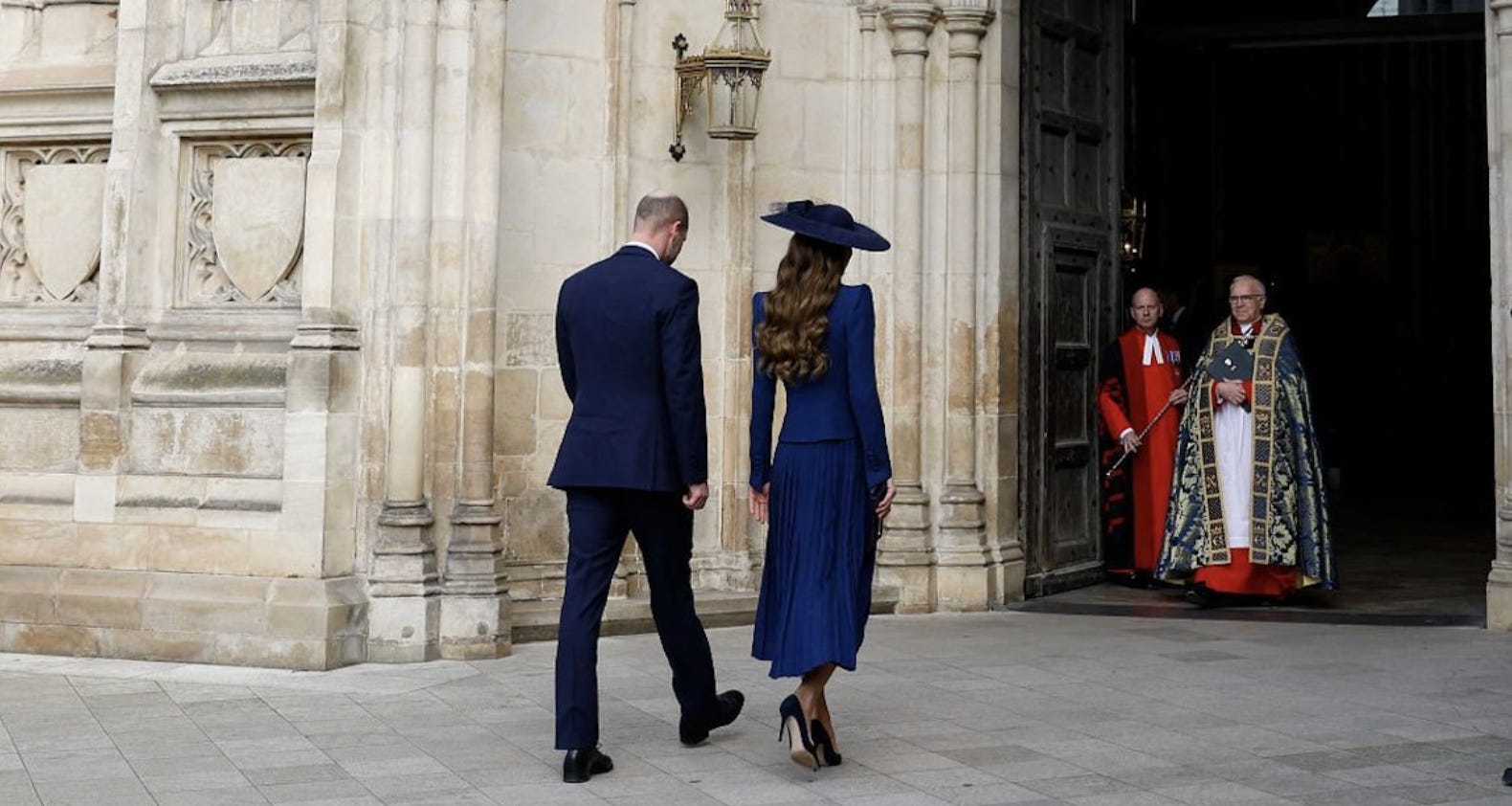
Commonwealth Day has always been one of those quietly important fixtures in the royal calendar. Observed on the second Monday in March, it has roots stretching back to the early 20th century, though the rather lovely service at Westminster Abbey only really took shape in the late 1960s.
It was the late Queen Elizabeth II, of course, who truly made it her own, using it year after year to champion unity, diversity and the Commonwealth's ever-shifting sense of itself.
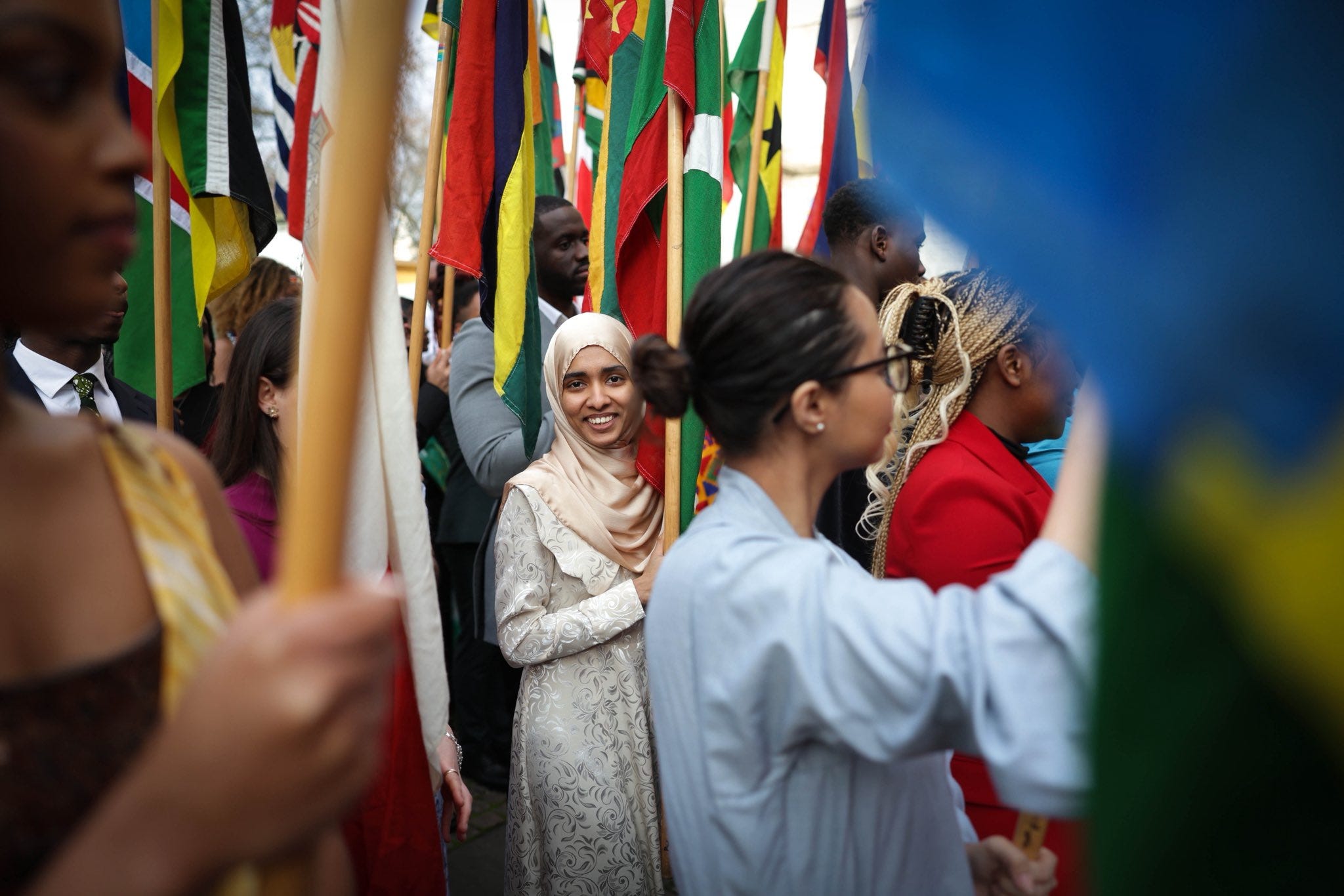
The service itself is never one for pomp and spectacle — it's symbolic rather than ceremonial for its own sake. It's the moment the British Royal Family gathers to mark a network of 56 nations and nearly 3 billion people, bound not by geography but by shared history, cooperation, and what feels increasingly like a genuine modern partnership. And in 2026, with the monarchy quietly navigating rather choppy waters, the service at Westminster Abbey carried a particular weight.
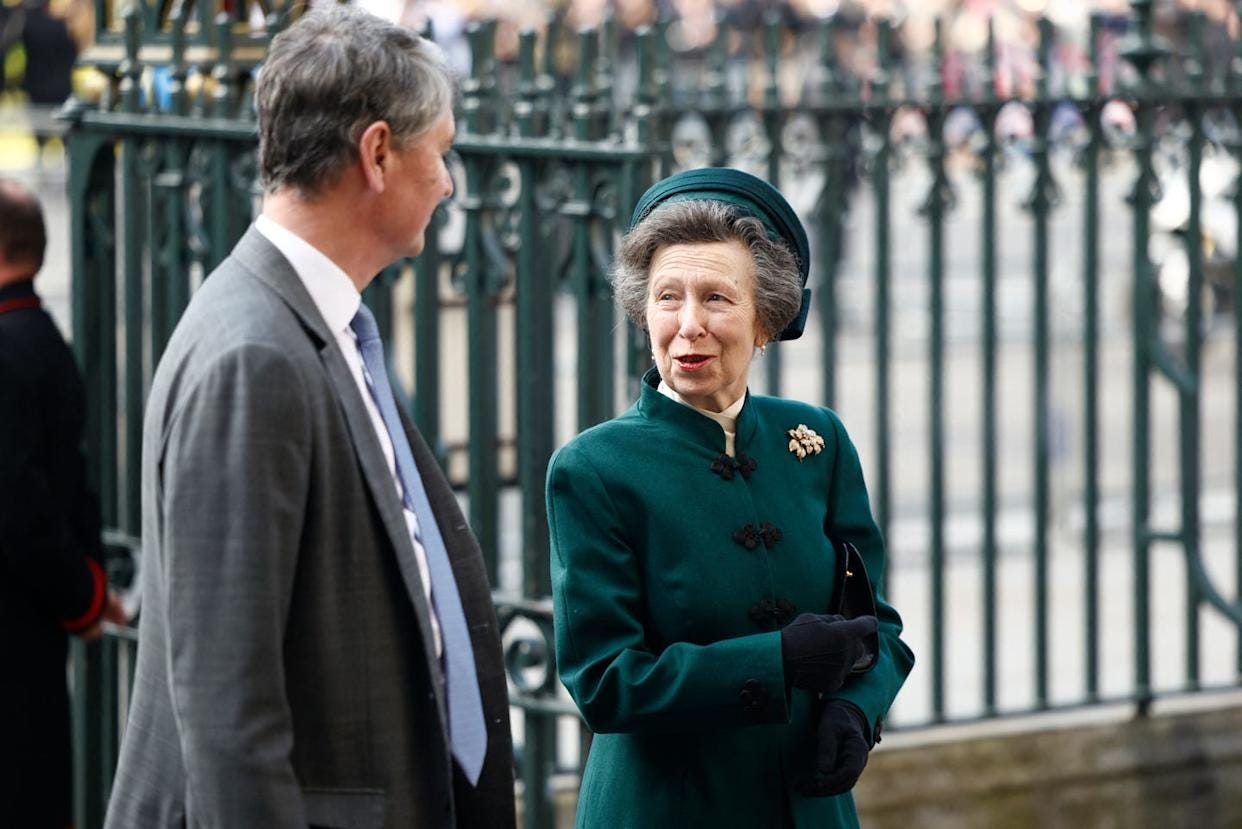
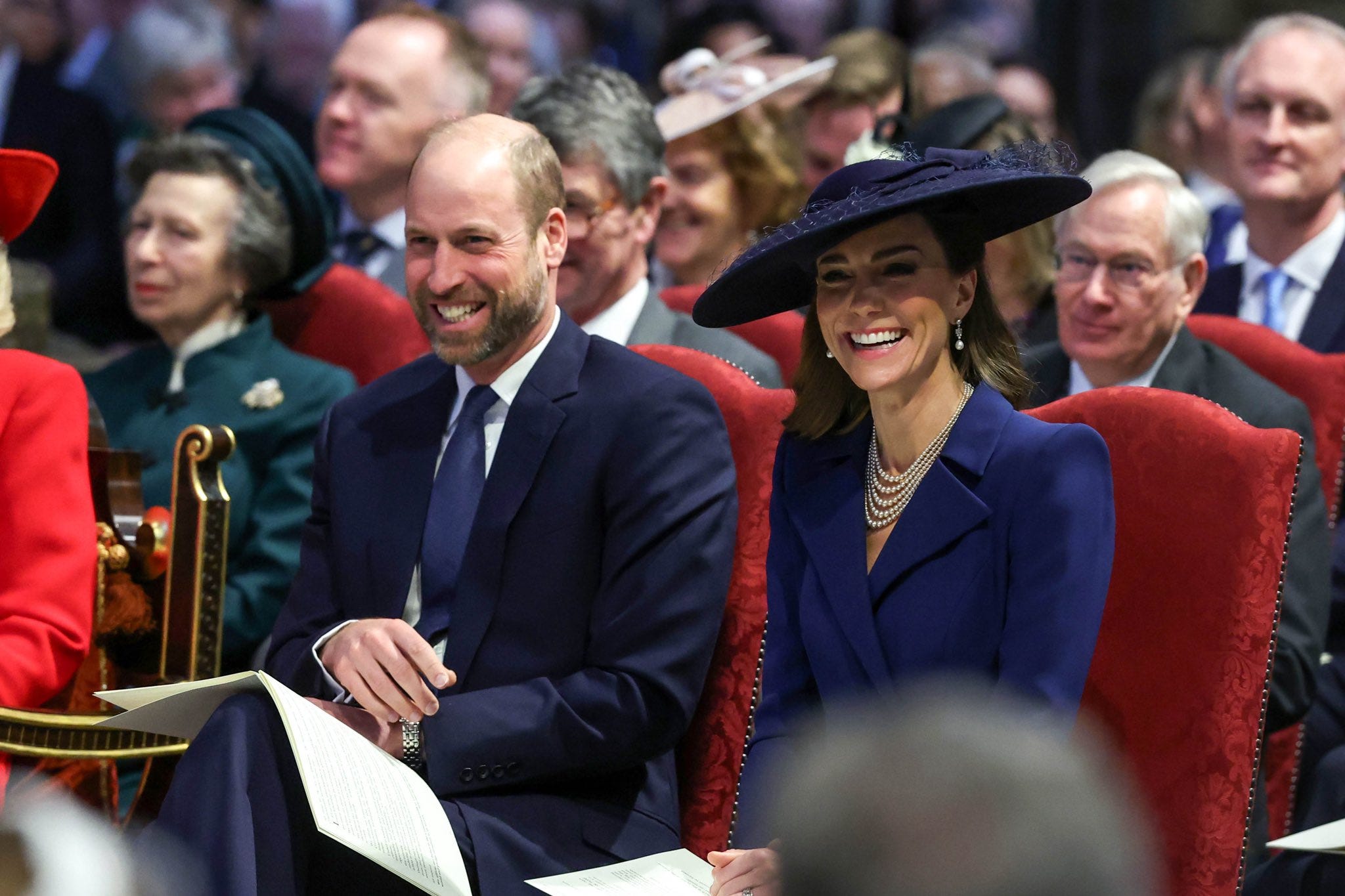
It marked the most united public showing of the senior royals since the arrest of the rather marvellously disgraced ex-Prince (and we do mean ex-Prince) Andrew Mountbatten-Windsor. (We shan't be tiring of that phrase anytime soon.) Against that backdrop, William and Catherine stepped into Westminster Abbey with the sort of quiet, unhurried confidence that has rather become their calling card.
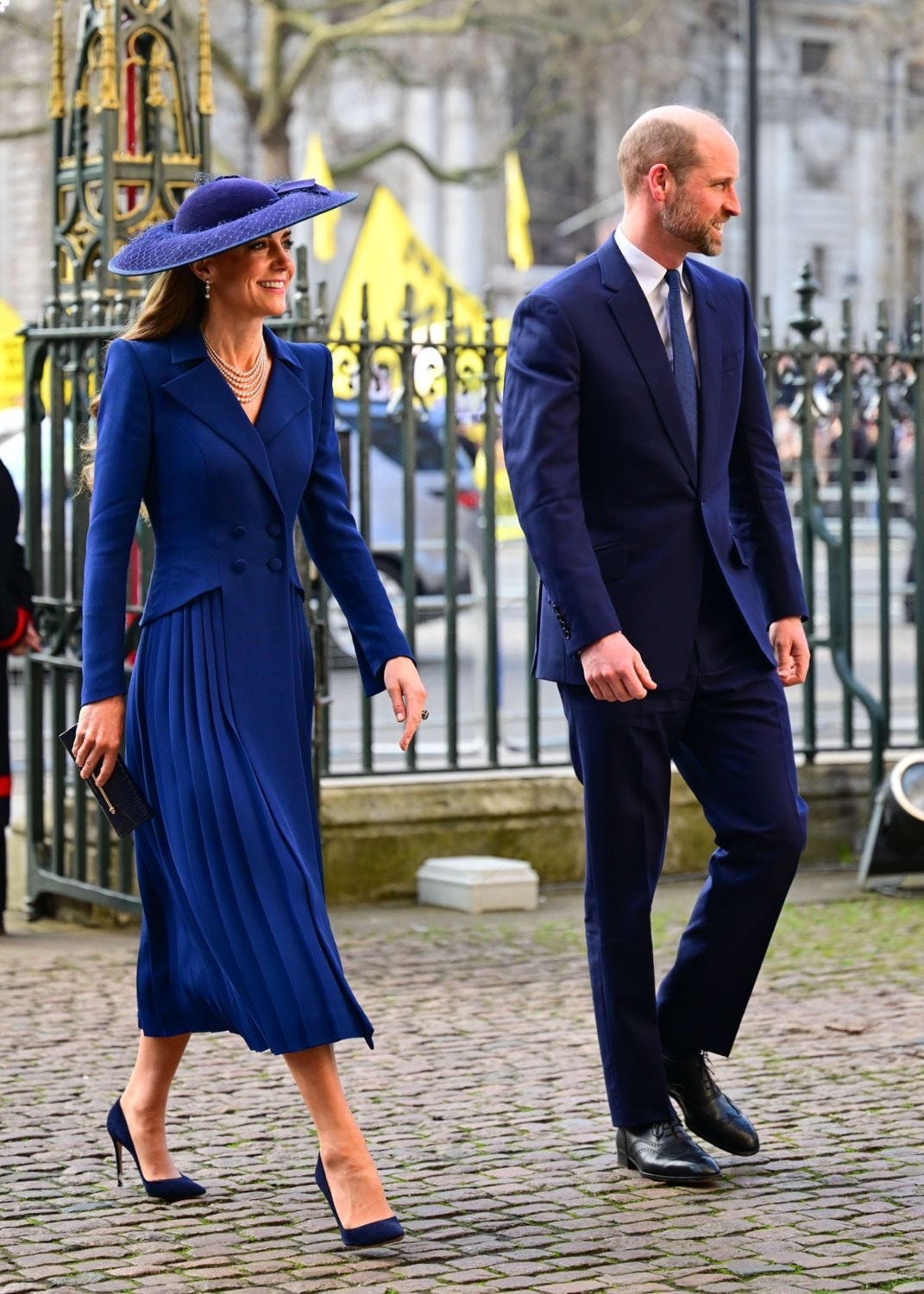
And both delivered a rather standout fashion moment. If 2025 was Catherine's "red year" for Commonwealth Day, 2026 was firmly in the navy camp. The Princess wore a bespoke, sharp-shouldered Catherine Walker coatdress with pleats running along the lower half.
What really made it sing, though, was the jewellery: A five-strand pearl necklace and matching earrings that once belonged to the late Queen. A subtle but unmistakable tribute, and a quietly moving nod to her decades of Commonwealth leadership. William, for his part, kept things classically understated in a crisp, well-cut navy suit, which was perfectly in step with Catherine's colour story.
The Commonwealth today
There were reports of a strong showing from the anti-monarchy group Republic, out in protest as is their right — and good on them, frankly. The freedom to protest is a cornerstone of any democracy worth its salt. What’s less useful, however, is the hand-wringing that tends to follow: breathless takes questioning whether the monarchy is finished, whether the Commonwealth has any place in the modern world, and whether the whole thing is irredeemably tainted by its colonial roots.
Now, the historical context of the British Empire matters and it ought to be acknowledged, plainly and without flinching. But it’s equally worth recognising that the Commonwealth has, genuinely and meaningfully, evolved from those origins. It is not the empire rebranded. And whilst that conversation is worth having properly, it is not well served by social media clips stripped of context and fed into the outrage machine.
Out-of-context footage has a nasty habit of taking on a life of its own. During the 2022 Caribbean tour, a senior Jamaican official found herself falsely accused of snubbing the Princess of Wales, the result of a misleading clip that did the rounds online before anyone had thought to check the facts. It's a useful reminder that on topics this charged, it's worth seeking out reliable local sources before forming a view.
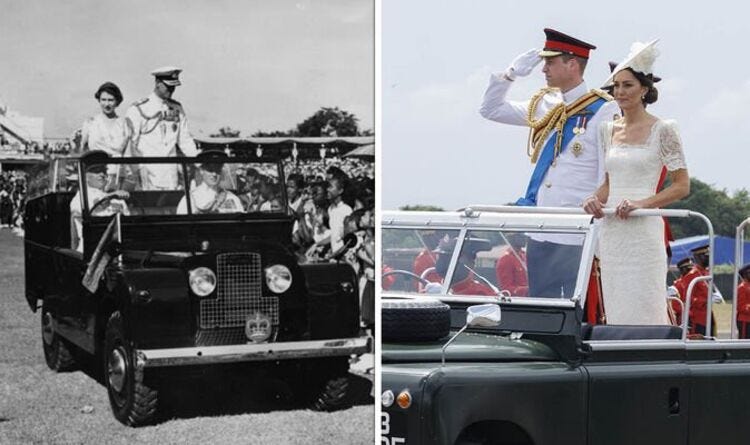
That much-maligned open-air jeep review — the one that had half the internet reaching for their smelling salts over its supposedly colonial overtones? It was, as it happens, requested by the Jamaican government. The Wales camp, as guests in the country, simply obliged Context, as ever, rather changes things.
Elsewhere on that same tour, a protest against the royals in Belize was swiftly followed by a considerably larger counter-protest, a useful reminder that public opinion on these matters tends to be rather more complex and nuanced than a single clip might suggest. Meanwhile, the local Jamaican press told a rather different story altogether, with thousands turning out to see the royals and no shortage of warmth to report.

As a historian, we tend to rely on primary sources and verifiable records rather than letting social media do our thinking for us. Boots on the ground, and the observations of those actually present, carry rather more weight than a decontextualised clip with ten thousand reposts.

Those who dismiss the Commonwealth celebrations tend to overlook one rather inconvenient detail: membership is entirely voluntary. In recent years, countries with no historical ties to Britain whatsoever, Togo, Gabon, Mozambique, Rwanda, have actively sought to join. These are sovereign nations, perfectly capable of making informed decisions about their own futures. To suggest otherwise is, frankly, a little patronising.
Rwanda, as mentioned, campaigned for years to join. Zimbabwe, having left, is now seeking to rejoin. South Sudan, Suriname, Burundi, and even the unrecognised state of Somaliland have all expressed interest in membership. One wonders whether Republic and the monarchy’s more vocal critics would care to suggest that the citizens and representatives of these governments are somehow misguided, that they’re queuing up to join an association that is, as the narrative goes, oppressive and out of touch. It’s quite the position to hold.
The Commonwealth, it bears repeating, comprises nearly five dozen nations. Only around a dozen have King Charles as their head of state. Whatever decisions they make will be entirely their own. The royal tours of old may well have carried the imperial banner, but the most recent ones are a rather different affair, more collaborative, more considered and a good deal more evolved than their origins. We trust these countries to know their own minds.
And then there’s the small matter of the monarchy itself. The established route to removing a monarch as head of state is, of course, a referendum. The most recent country to do so? Barbados, and even then, it wasn’t quite as clean as it’s often portrayed. There was no referendum. What occurred was closer to an executive order, bypassing the will of the people entirely, because the appetite for a republic simply wasn’t there. An uncomfortable truth, that.
Four years on from the Caribbean tour, Jamaica is no closer to a referendum than it was when William and Catherine visited. Indeed, the country has since nominated a representative to a senior position within the Commonwealth rather the opposite of severing ties. In the meantime, more nations have sought membership, and William and Catherine remain the most popular royals on both sides of the Atlantic.
The Republic, we suspect, will need to try considerably harder.
Yours in Royal Tea,
Lady Sinclair
I always feel that Republic have a rather sinister agenda, based on feelings of hatred and envy rather than any genuine belief we would be better served with a different system. They also appear to attract a very unpleasant type of person to their cause. Unfortunately they’ve smelt blood in the water over this whole AMW fiasco and have become more vociferous and unpleasant than ever!